


Summer Hiking Essentials: Gear for Missouri Trails
TL;DR: Humidity is what makes summer hiking in Missouri hard, and it changes what you carry. Leave the cotton at home, upgrade your socks and your water bottle before anything else, and hike shaded creek bottoms in the morning instead of ridge tops at noon.
Missouri summer hiking has one real enemy and it isn't the temperature. It's air so humid your sweat quits evaporating, which means your body loses its main way to cool itself. The gear that fixes it is short and specific: a moisture-wicking shirt, merino blend socks, breathable low or mid hikers you've broken in ahead of time, two liters of water in an insulated bottle, electrolytes and a brimmed hat. We stock all six at Crane's Country Store in Williamsburg, and the advice below comes from actually hiking these trails in August.
Why does Missouri summer hiking feel worse than the forecast?
Dew point. When dew points sit in the 70s, which they do for weeks at a stretch in July and August, the air already holds so much moisture that your sweat has nowhere to go. Sweat only cools you when it evaporates, so you end up soaked and still hot.
Terrain piles on. A lot of mid-Missouri trails run through river bottoms and hollows where the air doesn't move at all. Shade helps. Moving air helps more, and on plenty of these trails you won't get any.
What should you wear hiking in Missouri humidity?
Anything but cotton. Moisture-wicking fabric pulls sweat off your skin and spreads it across the outside of the shirt where it can evaporate. Cotton does the reverse: it soaks sweat up, holds it against you and stays heavy and wet for the whole hike. A soggy cotton shirt under a pack strap is how you get a raw spot on your shoulder.
Shirts
-
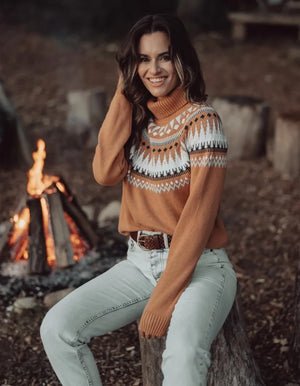
The Normal Brand lightweight tees and sun shirts move sweat fast and dry between one creek crossing and the next.
-
Smartwool merino catches people off guard. Wool is not a winter-only fabric. Lightweight merino breathes in heat, regulates temperature in both directions and resists odor, so a shirt you sweated through Saturday is still fine Sunday morning.
More options in men's shirts.
Socks are the upgrade most people skip
Cotton socks will give you blisters. They hold water, soften your skin and then friction finishes the job. Go with merino blend hiking socks in a light or ultralight cushion for summer, and if you blister easily or you're logging eight miles or more, add a thin liner sock underneath.

What hiking boots work best in a Missouri summer?
Breathable ones. A low or mid hiker with mesh panels dries out after about an hour of walking. A waterproof boot that takes on water over the collar stays wet all day, and the same membrane that keeps water out holds heat in. Waterproof earns its keep in spring mud and November hunts. Less so in July.
Step up to a sturdier boot when you're carrying weight, walking rocky ground or you want ankle support. Women's Danner hiking boots and Carhartt hiking boots both cover that range, and both hold up to Missouri rock. See the hiking collection for what's in stock.
Fit basics we walk customers through at the bench:
-
Try boots on late in the day, wearing the socks you'll actually hike in.
-
Leave about a thumb's width in front of your longest toe.
-
Your heel should stay locked down when you walk a ramp or a stairstep.
-
Wear them two to three weeks before a big hike. New boots on trail day is the top reason people limp back to the car.
How much water do you need for a mid-Missouri day hike?
Figure roughly half a liter per hour of moderate hiking, and closer to a full liter per hour in real humidity. A three-hour morning hike means two liters minimum, more if you sweat heavily.
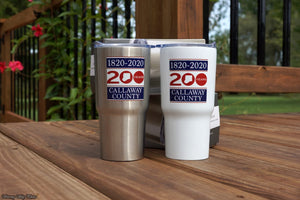
Insulated stainless holds up better than plastic in this heat. A Stanley water bottle left in a hot truck bed still pours cold three hours later, and cold water is water you'll actually drink. Browse drinkware.
Water by itself isn't enough on a hot day. You sweat out sodium along with fluid, and replacing only the fluid leaves you cramping, headachy and light-headed. Keep an electrolyte mix in your pack.
Sun, hats and what hiking gear to carry for a half day
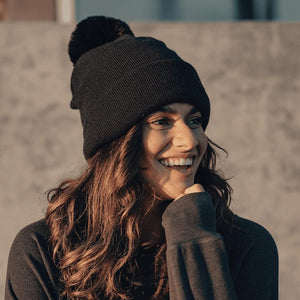
A brimmed hat beats a ball cap because it covers your ears and the back of your neck. On the Katy Trail's exposed stretches, old rail bed with almost no tree cover for miles, a hat and a light long-sleeve do more for you than sunscreen that you have to keep reapplying to sweaty arms. Look through hats and accessories.
A 15- to 20-liter pack handles a half day. What belongs in it:
-
Two liters of water plus an electrolyte mix
-
A salty snack
-
Small first aid kit with blister care, either moleskin or athletic tape
-
Insect repellent
-
A downloaded or printed map, since service drops out in the hollows
-
Light rain shell in spring and fall
Blisters, dehydration and heat exhaustion
Stop the second you feel a hot spot on your foot and tape it right there. A hot spot takes two minutes to fix. A blister costs you the next three days.
Dehydration announces itself as a headache, dark urine and heavy legs. Drink before you're thirsty rather than after.
Heat exhaustion vs. heat stroke
Heat exhaustion is your body losing the fight to cool itself. Signs are heavy sweating, cool clammy pale skin, a fast weak pulse, nausea, muscle cramps, dizziness and headache. Get to shade, loosen clothing, sip water, put something cool and wet on the neck and wrists and call the hike. Don't push on to finish the loop.
Heat stroke is a medical emergency. Skin turns hot and red, sweating may stop entirely, the pulse goes fast and strong, and the person gets confused, slurs words or passes out. Call 911, move them into shade, cool them any way you can and do not give fluids to anyone who is confused or unconscious.
Heat exhaustion is a warning. Heat stroke is an emergency. Take the warning seriously and you'll never meet the second one.
Ticks and chiggers
Both are thick from May into September here, and pretending otherwise doesn't help anybody. Treat clothing and shoes with permethrin, use DEET or picaridin on skin, then check yourself at the car and shower the same day. Chiggers go straight for ankles and waistbands, so hit your socks and pant cuffs too.

Where to hike near Columbia MO when it's hot
-
Rock Bridge Memorial State Park: the Devil's Icebox area and the sinkhole trails stay noticeably cooler than open ground.
-
Three Creeks Conservation Area: creek bottoms, heavy shade and water to soak a bandana in.
-
Graham Cave State Park: short trails and real history, about ten minutes from our front door in Williamsburg.
-
Cuivre River State Park: more climbing than people expect, so save it for a cool morning.
-
Katy Trail: excellent at 7 a.m. and miserable at 2 p.m. Go early.
Shaded creek-bottom trails beat ridge tops in August, every time. Start at seven and you'll be done before the worst of the day, which leaves time to come sit a spell, enjoy a $2 sammie and cool off before you drive home.
Get your summer setup squared away
Two upgrades before anything else, in this order:
-
Merino blend hiking socks. Cheapest fix for the most common problem. Grab at least two pairs from Smartwool so one can dry while you wear the other.
-
An insulated bottle. A Stanley holds cold water through a hot afternoon, and cold water is water you'll drink.
Footwear is worth doing in person. Sizing across Danner, Carhartt and Thorogood isn't identical, and half an hour on the fitting bench saves you a season of guessing. Come see us in Williamsburg, right off I-70 between Columbia and St. Louis, and bring the socks you plan to hike in.
Shopping from home instead? Start with the hiking collection and build your list from there.
Summer hiking gear FAQs
Can I hike Missouri trails in running shoes?
On flat groomed trails like the Katy Trail, yes. On rocky or root-heavy trails, a hiker gives you more sole protection underfoot and better grip on loose rock.
Are wool socks too hot for summer hiking?
No. Lightweight merino moves moisture better than cotton and regulates temperature in both directions, which is why it works in July as well as January.
Do I need waterproof hiking boots for Missouri summers?
Usually not. Breathability matters more in July, and a wet breathable shoe dries far faster than a wet waterproof one.
How much water should I carry on a two-hour Missouri hike?
At least one liter, and two if it's humid or you sweat heavily. An insulated bottle keeps it cold enough that you actually drink it.
What's the first summer hiking gear upgrade worth making?
Socks and an insulated water bottle. Merino blend socks and cold water solve more summer hiking misery than anything else in the same price range.
Start with those two. When you're ready for footwear, come get fitted in person at the store in Williamsburg. Sizing across Danner, Carhartt and Thorogood isn't identical and half an hour on the bench saves you a whole season of guessing. Or build your list first from the hiking collection.